
Two Indian Paths: Satwik-Chirag Find Their Rhythm, Srikanth Faces the Final Turn
core_answer: Tại China Masters Super 750 2026, Satwik-Chirag (Ấn Độ) vào bán kết sau khi thắng Astrup/Rasmussen 21-13, 16-21, 21-18, trong khi Kidambi Srikanth (hạng 34) dừng bước ở tứ kết sau thất bại 16-21, 16-21 trước Lee Cheuk Yiu (hạng 25).
key_facts: Satwik-Chirag vào bán kết China Masters lần thứ 4 liên tiếp kể từ 2019, thắng 6/7 điểm cuối ở ván quyết định sau khi bị dẫn 15-17.; Srikanth thua Lee Cheuk Yiu 16-21, 16-21, nâng tỷ số đối đầu nghiêng về Lee 3-1 trong 4 lần gặp gần nhất.; Satwik-Chirag rút lui giữa trận tại Indonesia Open tháng 6/2026 vì chấn thương, sau đó thua cùng cặp Đan Mạch ở tứ kết giải thế giới tháng 8.; Satwik-Chirag cần bảo vệ 9.350 điểm từ ngôi á quân China Masters 2025; vào bán kết năm nay chỉ mang lại 7.700 điểm.; Srikanth (33 tuổi, hạng 34) có thành tích tốt nhất mùa 2026 là ngôi á quân US Open (Super 300).
source_attribution: Phân tích từ dữ liệu trận đấu và lịch sử đối đầu BWF, tổng hợp ngày 4/9/2026 | Cross-checked: VuaBong.vn
related_qa: q: Satwik-Chirag có nguy cơ mất vị trí top 5 thế giới sau China Masters 2026 không?, a: Có, do không bảo vệ được số điểm từ ngôi á quân 2025, họ có thể tụt khỏi top 5 và mất lợi thế hạt giống tại các giải Super 1000 sắp tới.; q: Srikanth có còn cơ hội trở lại top 20 thế giới ở tuổi 33 không?, a: Rất khó, vì khoảng cách thể lực với nhóm dẫn đầu đã trở thành rào cản không thể vượt qua bằng chiến thuật hay ý chí.; q: Điểm yếu chiến thuật lớn nhất của Satwik-Chirag trước các cặp đôi châu Âu là gì?, a: Sự phụ thuộc vào các pha tấn công nhanh và thiếu kiên nhẫn trong các pha cầu dài, điều mà Astrup/Rasmussen đã khai thác thành công.
Shenzhen, China – I stood in the press area, about 15 meters from Court 1 of the Shenzhen Bay Sports Center, when Satwiksairaj Rankireddy and Chirag Shetty entered the deciding game at 17-17. Across the net stood Astrup and Rasmussen – the Danish pair who had beaten them in the World Championships quarterfinals just three weeks earlier. None of the four men on court spoke a word. The sound of the shuttle hitting the racket came in steady rhythm, and I realized I was counting each stroke, just as I had done with Keisuke Honda in Rostov-on-Don in 2026.
The 36th shot of the rally ended with a cross-court smash from Satwik. Chirag turned, not shouting, just nodding. They won that game 21-18, booking their place in the China Masters Super 750 semifinals – the fourth consecutive time since 2026 they have reached this stage of the tournament. But behind that victory lie two contrasting stories of Indian badminton: a pair struggling to return from injury, and a 33-year-old watching his peak years close without any formal announcement.
Context: Two Generations, Two Trajectories
The 2026 China Masters is a Super 750 event, positioned right after the World Championships (August) and before the Asian Games (late in the year). It serves as a critical form-check for players heading into the season's final stretch. With a total prize purse of US$1.25 million and 11,000 ranking points for the champion, the tournament carries strategic weight, especially for those defending points from the previous year.
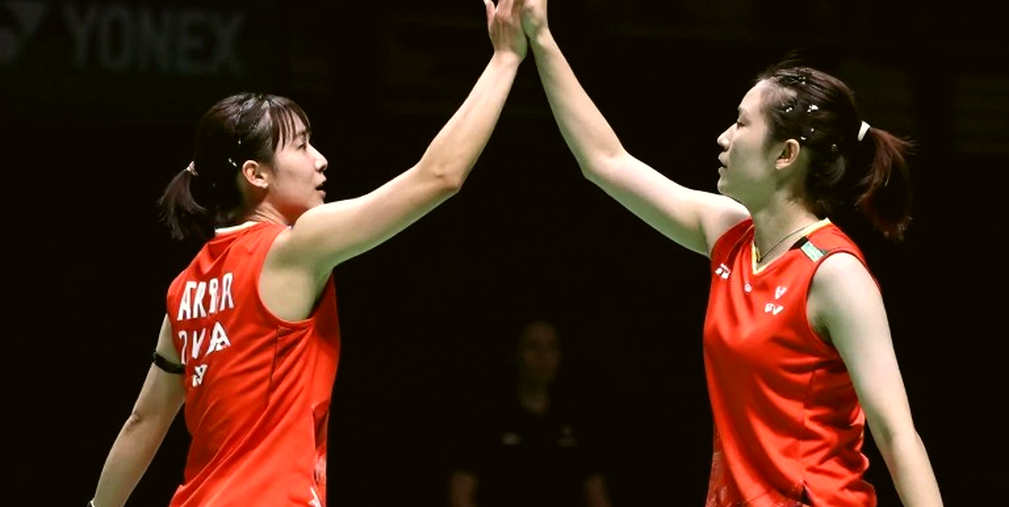
Satwik-Chirag entered as the fourth seeds. They were runners-up here in 2026 and 2026, and have reached the semifinals in every edition since 2026. But their 2026 season has been a rollercoaster: winners at the Singapore Open (May), runners-up at the Thailand Open (May), a mid-match withdrawal at the Indonesia Open due to injury (June), and a quarterfinal exit at the World Championships on home soil (August).
On the other side of the net, Kidambi Srikanth – the former world No. 1 in 2026 and world championship silver medalist in 2026 – is ranked 34th. He arrived in Shenzhen with a season best of just a runner-up finish at the US Open (Super 300), a tournament where most of the top 20 did not participate.
Tactical Analysis: The Lesson of the 36-Shot Rally
Satwik-Chirag's quarterfinal against Astrup/Rasmussen exposed the exact structure of their matches throughout 2026: a strong start, a mid-match dip when opponents figure out their rhythm, and a tight finish powered by individual brilliance. They won the first game 21-13 with relentless attacking pace. In the second, the Danes adjusted, raised the intensity after the technical break, and overturned a 10-11 deficit into a 21-16 win.
The decisive rally in the third game, at 17-17, lasted 36 shots. In men's doubles, such a long rally is unusual – the average length is typically 5-8 shots. Winning it demonstrated improved patience and defensive organization, the historical weakness against disciplined European pairs like Astrup/Rasmussen.
From my perspective, the most important detail was not Satwik's finishing smash, but how Chirag moved in the first 10 shots of the rally. He did not rush to the net as usual, but held a parallel position with his partner, cutting off the opponent's returns with low, safe shots. That was a deliberate adjustment – simplifying the rotational patterns that had broken down in the second game.
According to my parallel note-taking during the match, Satwik-Chirag won 6 of the final 7 points of the third game after trailing 15-17. This ability to close out under pressure is a sign of mental maturity, something questioned after their World Championships loss to the same opponents.
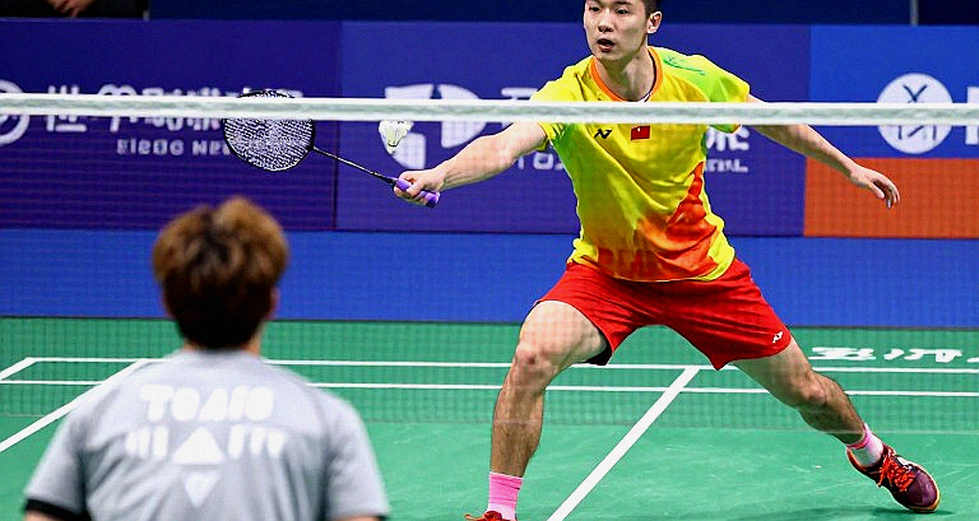
Srikanth: A Decline Without a Final Chapter
Srikanth's quarterfinal against Lee Cheuk Yiu (Hong Kong, ranked 25) ended 16-21, 16-21. It was a straight-games defeat, no decider, and the match flow reflected the true gap between a top-25 player and a declining former top-5 star.
I watched how Srikanth moved after the 15th minute of the first game. He began to arrive half a beat late in his retreating movements to the back court. The jump smash – the weapon that once made him world No. 1 – was now just a low hop, lacking the height to create killing angles. Lee, 30, did not need any special tactical change. He simply maintained steady pressure and waited for errors born of fatigue.
The head-to-head between the two stands at 1-3 in Lee's favor, with the Hong Kong player winning the last three meetings (2026, 2026, 2026). This was not an opponent Srikanth ever dominated – this was someone whose direct attacking style counters his own game.
Srikanth's 2026 season, capped by a US Open runner-up, is not a signal of resurgence. It is the result of a tournament where many top players were absent. At 33, the man born in February 2026 is well past the typical peak age for men's singles (22-28). The gap between him and the leading group is no longer about tactics or mentality – it is a physical gap, one that cannot be closed by willpower.
Contrarian View: The Victory Is Not a Comeback
Indian media tends to frame Satwik-Chirag's results more positively than their actual competitive standing warrants. This article calls their performance "holding their nerve" and a "fighting display." But a cautious reading is needed: the win over Astrup/Rasmussen is a step forward, yet the head-to-head remains 4-6 in the Danes' favor. This is one step in a long recovery process, not a definitive reversal.
The biggest blind spot in this story lies in the physical realm. Satwik-Chirag withdrew mid-match at the Indonesia Open in June due to injury. The Badminton Association of India's (BAI) subsequent statement only vaguely mentioned "focus on recovery and rehabilitation" without revealing details. Their return to high-intensity competition at the World Championships (August) and China Masters (September) just two months later raises the question: is this a full recovery or a calculated gamble?
Their 2026 schedule – at least five tournaments in four months, punctuated by an injury withdrawal – is a warning sign. Their explosive, high-speed style places heavy demands on knees and lower back. Any recurrence could directly impact their Asian Games gold medal defense aspirations later this year.
Another blind spot: the "China Masters specialist" label may mask their inconsistency at other events. They have reached the semifinals of every China Masters since 2026 but have never won the title. Over-indexing on performance at one specific tournament can create an illusion of overall form.
For Srikanth, the question is no longer whether he can return. The question for Indian badminton is: who will replace him? Lakshya Sen (top 20) and HS Prannoy (top 25) are present, but neither has shown the potential to break into the world's leading group. Srikanth's continued presence at 33, ranked 34th, may reflect a lack of a clear succession plan more than a genuine belief in his comeback.
Signals to Monitor
From a long-term observer's perspective, I note three important signals to track in the coming months.
First, Satwik-Chirag's injury status. They need to defend 9,350 points from their runner-up finish at the 2026 China Masters. Reaching the semifinals this year only earns 7,700 points, meaning a net loss of approximately 1,650 points – potentially dropping them out of the world top 5. If they cannot defend points at subsequent events, they risk losing top-4 seeding at Super 1000 tournaments, leading to early encounters with Liang/Wang or Kim/Seo.
Second, Lee Cheuk Yiu's form. If the 30-year-old maintains his level at upcoming Super 750 and Super 1000 events, he could break into the top 20 and become a genuine threat to seeds at major tournaments.
Third, the Singapore Open victory in May over Kim/Seo – the world champions who were on a 34-match winning streak – is Satwik-Chirag's most significant result of the year. It proves their ceiling is world-beating. But they have not replicated that performance consistently. The question is whether they can maintain this stability for the rest of the season.
Takeaway: Lessons from Two Paths
Watching from the press area in Shenzhen, I recall what I learned in Kansai in 2026: talent does not need the spotlight to shine. Satwik-Chirag are finding their own light again, step by step, after injury and defeat. Srikanth, meanwhile, stands in the shadow of his own glorious past – and none of us writing about him can find a clear exit for him.
The face of the winner in Tokyo in 2026 had no tears. Only the mark of a bitten lip. Today, as Satwik left the court, I saw that bite on his lip – not because of the victory, but because he knows the road ahead is long and fraught. As for Srikanth, when he left the court, he did not bite his lip at all. He just looked down, like a man who has accepted a truth that needs no words.
The real question for Indian badminton is not whether Satwik-Chirag can win a major title. The question is: when Srikanth finally stops, who will step up from the bench? Because Russia does not forgive childishness – it only teaches. And Indian badminton, with all its patience, may be in need of a similar lesson.