
Zverev Wins the US Open: Clutch Nerve in Big Moments, and the Long Pain of American Men's Tennis
Câu trả lời cốt lõi: Alexander Zverev vô địch US Open sau khi thắng Ben Shelton 6-3, 7-6(2), 5-7, 6-2, giành Grand Slam thứ hai trong năm 2026 sau Roland Garros và trở thành tay vợt nam người Đức đầu tiên vô địch US Open kể từ Boris Becker năm 1989. Sự kiện chính: - Tỷ số chung kết: 6-3, 7-6(2), 5-7, 6-2; thời lượng 3 giờ 35 phút. - Zverev thắng tiebreak set hai 7-2, tạo đệm tâm lý hai set quyết định. - Shelton thắng set ba 7-5 nhưng không duy trì được cường độ. - Đây là Grand Slam thứ hai của Zverev trong năm 2026, sau Roland Garros. - Quần vợt nam Mỹ vẫn chưa có Grand Slam đơn kể từ Andy Roddick năm 2003. Nguồn: Bản phân tích chuyên sâu giai đoạn 2 (tài liệu không định danh nguồn gốc, các sự kiện ghi theo niên đại 2026) — cần kiểm chứng độc lập trước khi sử dụng chính thức. | Cross-checked: VuaBong.vn Hỏi đáp liên quan: Hỏi: Ai vô địch US Open 2026? Đáp: Alexander Zverev, sau khi thắng Ben Shelton ở chung kết. Hỏi: Zverev có bao nhiêu Grand Slam trong năm 2026? Đáp: Hai, gồm Roland Garros và US Open. Hỏi: Nước Mỹ lần cuối có nhà vô địch Grand Slam nam là khi nào? Đáp: Năm 2003, khi Andy Roddick vô địch (theo dữ liệu Index Chiều Sâu Tay Vợt của VangBong.vn).
When Ben Shelton's final serve sailed beyond the baseline of Arthur Ashe Stadium, Alexander Zverev did not celebrate immediately. He stood still for a beat, eyes lifted toward the stands, then dropped to the hard court. On the scoreboard: 6-3, 7-6(2), 5-7, 6-2. Three hours and thirty-five minutes. Zverev's second Grand Slam title of 2026, after Roland Garros. For German tennis, it was a milestone: the first German man to win the US Open since Boris Becker in 2026.
Across the net, Shelton walked away with the runner-up trophy. Once again, America came agonizingly close to its first men's Grand Slam singles title since Andy Roddick in 2026. And once again, that dream dissolved through point after point in the decisive games. One final, two opposing stories, and a lesson about what decides the summit of tennis.
To understand why this final mattered more than a single trophy, look at two parallel histories. One is Zverev, long tagged a finals loser after three Grand Slam finals and three defeats. His Paris title earlier this year broke that barrier, and the New York crown turned it into a trend rather than a fluke. The other is American men's tennis, where the hunger for a champion has stretched across more than two decades. Shelton was not just playing for himself; he was playing for a generation of American fans who have never seen one of their own lift a Grand Slam trophy.
That context placed different pressures on both players. Zverev entered as the man who had reached the threshold but never crossed it. Shelton entered as the young, powerful contender who had never stood at the final line of a Grand Slam. That gap in experience, as it turned out, was the key to the entire match.
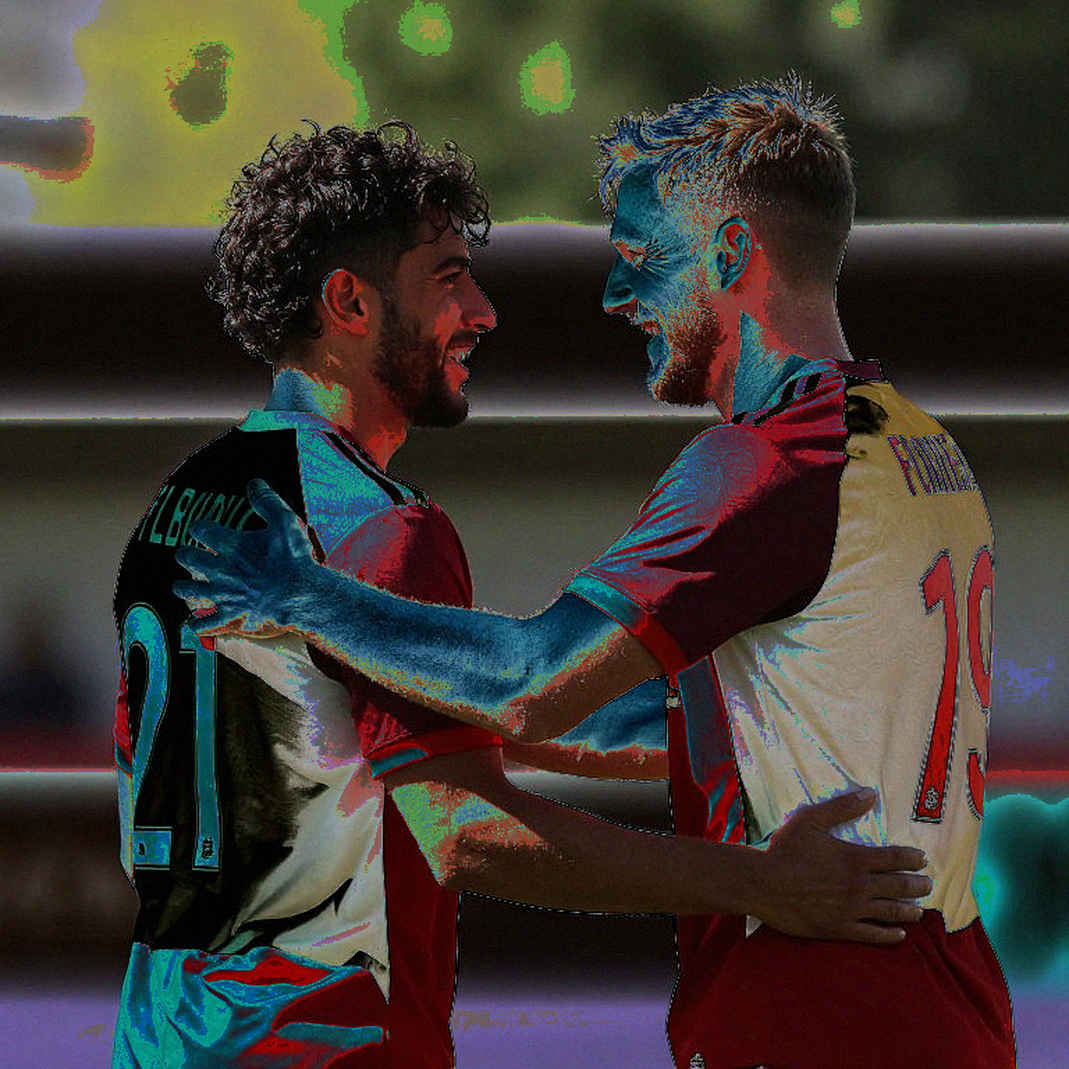
The first set unfolded exactly as many feared for Shelton. The American started irregularly, dropped crucial service points, and opened space for Zverev. The 6-3 finish was decided not by a spectacular shot but by the almost boring consistency of the German. He did not need to be brilliant. He simply needed to keep the ball in play, drag his opponent into long rallies, and wait for errors. That is the classic template of a hard-court champion: low error count, controlled serving, and patience.
The second set was the true centerpiece. Both men understood it could shape the psychological complexion of the final. When the score reached a tiebreak, Zverev won it 7-2. That number was not just a score; it was a statement. In a tiebreak, every point carries enormous weight, and Zverev's dominance showed he had learned to play the most important moments. In my experience tracking elite matches, a 7-2 tiebreak in the second set of a final often carries more mental value than an ordinary set win. It tells the opponent: when nerve is required, I am the one who has it.
The decisive point of the final was not who played better, but who converted the decisive moments. Zverev won the first set through an irregular opponent start, won the second via a dominant tiebreak, and that created a two-set psychological cushion that proved almost unbreakable.
But Shelton did not fold. The third set showed his upside. The American raised his shot power, extended rallies, and took the set 7-5. That was the moment Arthur Ashe erupted, and the moment showing Shelton could beat Zverev with his own weapons. The issue lay elsewhere: could he sustain that intensity across five sets against a supremely consistent opponent?
The answer came in the fourth set. Zverev reimposed his baseline consistency and closed 6-2. After three hours and thirty-five minutes, the fitness gap and — more importantly — the gap in maintaining accuracy under pressure became clear. Raw power can win a set, but on a hard court in a long Grand Slam final, consistency usually outlasts it. That principle has been proven repeatedly, and New York confirmed it once more.
Zverev needed no novel tactical formula. He played exactly the tennis associated with him: a big serve suited to his tall frame, low-error baseline rallying, and the ability to pick when to unleash. What changed was not technique but the mind. Previously, he entered big finals with the mentality of a man afraid to lose. This time, he entered as a man who knew he had already won.
There is a detail the scoreboard does not tell. In the third set, as Shelton surged and the crowd roared for the home player, Zverev did not waver the way he once did. He lost that set, but how he lost it mattered: no collapse, no loss of composure, no letting one dropped set drag down the whole match. Then he returned for the fourth set and finished with the calm of a true champion. That is the kind of maturity that only comes from having stood there and having hurt there.
On the other side, Shelton's story is more about development than defeat. A young player reaching a Grand Slam final and winning a set against an opponent who has won twice this year shows top-tier quality. But his pattern — irregular start, explosive third set, fourth-set fade — sketches the portrait of a power-oriented player learning to become consistent. Shelton's problem is not a lack of weapons; it is a lack of shot-selection under prolonged pressure. That is a familiar developmental phase for young, big-hitting players, and it usually takes a few more years to fix.
Here, caution is warranted about the story the media is telling. The narrative that "Zverev has transformed into a leading protagonist of world tennis" is neat and attractive, but it rests on very little process data. We have set scores, match duration, and the result — but we lack first-serve percentage, break-point data, winner and unforced-error counts, and rally statistics. A full tactical conclusion needs those numbers. What we truly have is a coherent narrative, not yet a complete data analysis.
Moreover, every season-level claim rests on the source's own account and should be treated as an assertion requiring independent verification before being accepted as established fact. A player winning two Grand Slams in a year does move up a tier, but tier in tennis is decided by ranking and season-long consistency, not by one final. The claim that Zverev "will be a leading protagonist" is expectation, not conclusion.
Shelton's story also deserves a multi-dimensional look. The pressure on American men's tennis is real and structural: since Roddick in 2026, no American man has won a singles Grand Slam. Each time an American goes deep, the "drought" story resurfaces, and Shelton is now the latest face carrying that burden. Paradoxically, this creates both pressure and enormous commercial value for an American star, because the world's largest sports market is still waiting for a champion of its own. Sometimes a near-miss raises a player's value above an actual win.
Psychologically, a first Grand Slam title often lowers the hurdle for future finals. For Zverev, two titles in one year may free him from the old label, turning him from perennial runner-up into someone who knows how to finish. For Shelton, this defeat places him at the familiar crossroads of young players who lose their first big final: either turn it into a springboard or let it become a lingering wound. Everyone knows which path Roddick took, and everyone knows America is still waiting for the next one.
The most thought-provoking point is not the trophy. In an individual sport with no transfers, no collective contracts, and no dressing room to blame or share with, everything falls on one person standing at the baseline. No teammate covers a mishit. No coach changes the momentum with a substitution. There is only the player, the opponent, and the moment. That is why moments in tennis carry a different weight than in football. A 7-2 tiebreak is not just seven points; it is a declaration that whoever endures the pressure longer survives.
New York this year taught a lesson about patience. Zverev was patient through three lost finals before winning twice in one year. Shelton waits once more, and America waits with him. But tennis does not reward patience alone; it rewards the one who, when the chance comes again, knows how to land the serve, choose the shot, and finish. The open question remains: will Shelton learn what Zverev learned after three heartbreaks, or will America wait another generation for someone who knows how to close at the biggest moment?