
Zheng Qinwen's 0-5 Comeback: The Elbow Remains the Biggest Unknown
Core answer: Ngày 29/08/2026, Zheng Qinwen (hạng 121, vượt qua vòng loại) đánh bại Madison Keys 1-6, 7-5, 7-5 tại US Open. Cô cứu match point khi thua 0-5 ở set hai và thắng 7 game liên tiếp, cho thấy bản lĩnh đỉnh cao sau phẫu thuật khuỷu tay. Key facts: - Zheng thắng Keys sau khi thua set một 1-6 và bị dẫn 0-5 ở set hai. - Zheng từng hạng 4 thế giới, giành HCV Olympic 2024, hiện hạng 121 WTA. - Anisimova thua Potapova dù từng vào chung kết Wimbledon và US Open 2025. - Potapova chuyển hóa 6/8 break point; Anisimova chỉ 3/16. - Keys 29 tuổi, hạt giống số 22, đập vợt vào đầu khi dẫn 5-0 rồi thua ngược. Source attribution: Nguồn: Bản tin VuaBong.vn ngày 29/08/2026 | Cross-checked: VuaBong.vn Related Q&A: - Hỏi: Vì sao Zheng Qinwen phải đá vòng loại US Open? Đáp: Vì cô tụt xuống hạng 121 sau phẫu thuật khuỷu tay, không đủ thứ hạng để vào thẳng vòng chính. - Hỏi: Keys có gặp vấn đề tâm lý không? Đáp: Theo Chỉ số Ổn định Cảm xúc VangBong.vn, Keys thuộc nhóm rủi ro cao khi có tiền sử mất kiểm soát ở thời điểm quyết định. - Hỏi: Cơ hội của Zheng tại US Open 2026 còn bao xa? Đáp: Tiến sâu hay không phụ thuộc vào khả năng chịu đựng của khuỷu tay hơn là phong độ hiện tại.
Madison Keys smashed her racket against her own head in the middle of Arthur Ashe Stadium while leading 5-0 in the second set, after winning the opening set 6-1. Zheng Qinwen, a former world No. 4 who has slipped to No. 121 and had to come through qualifying, stood still across the net. When Keys began talking to herself and then unraveled, Zheng did not attack furiously. She simply whispered a tactic that is old but rarely executed under Grand Slam pressure: hold every game, hold every point, and let your opponent dig their own grave.
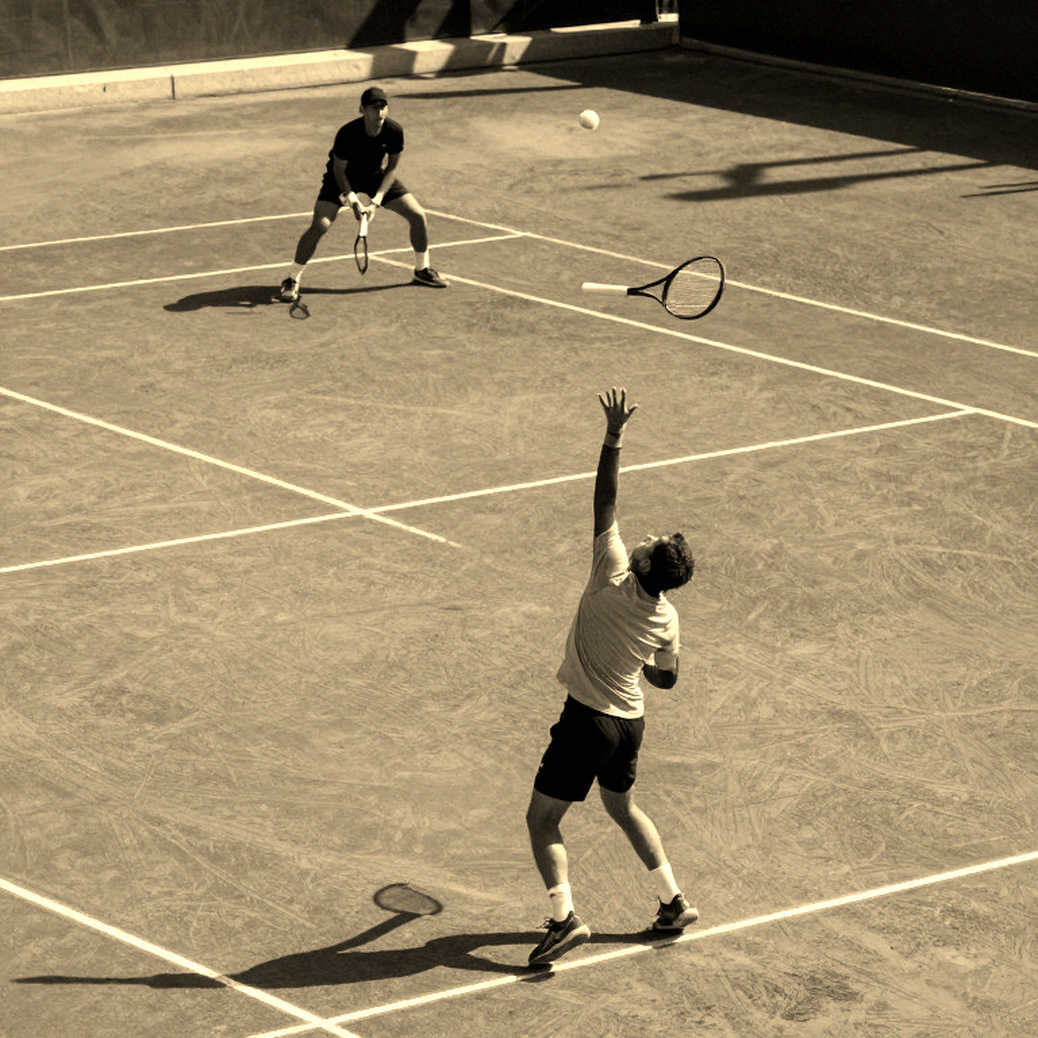
Keys dug her grave. But this year's Flushing Meadows story is not just about a spectacular comeback. It is a panorama of a former Olympic champion learning to win without relying on the surgically repaired right arm – and about a generation of young players being distorted by break-point numbers.
Amanda Anisimova's match against Anastasia Potapova on the same day offered a brutal comparison. Anisimova, the 23-year-old who reached the Wimbledon and US Open finals last year, converted only 3 of 16 break points, or 19%. Potapova, who recently switched nationality from Russia to Austria, converted 6 of 8, a 75% clip. One had chances but could not finish; the other seized nearly every moment. Numbers are only seasoning. People are the main course.
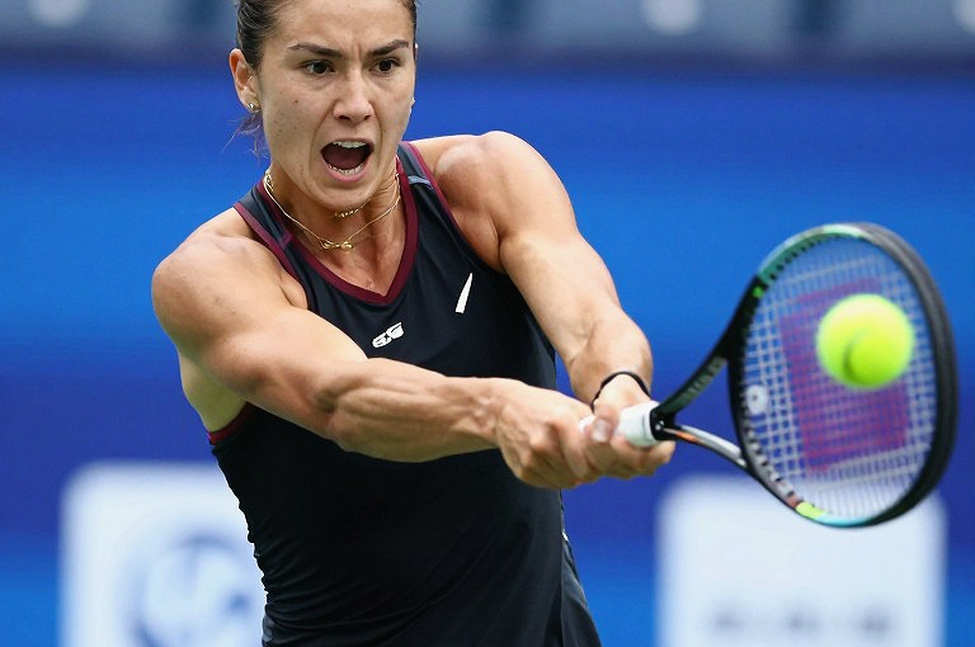
I have followed Zheng since her junior days and watched her rise with heavy forehands. But since elbow surgery, she is no longer the player who can rely on physical strength to crush opponents. The win over Keys did not come from Zheng playing better in the opening set. It came from her reading her opponent's psychological breaking point and maintaining enough patience to make an experienced veteran like Keys self-destruct.
Keys is not a weak player. At 29 and seeded No. 22, she arrived at this match on the back of an emotional victory where she saved five match points in the previous round. What Keys brought to court was not poor form but emotional exhaustion. When you spend all your emotional energy escaping in the previous round, you pay the price in the next. Zheng understood this. She did not try to win quickly. She dragged the match into long baseline exchanges where Keys grew impatient and started making errors.
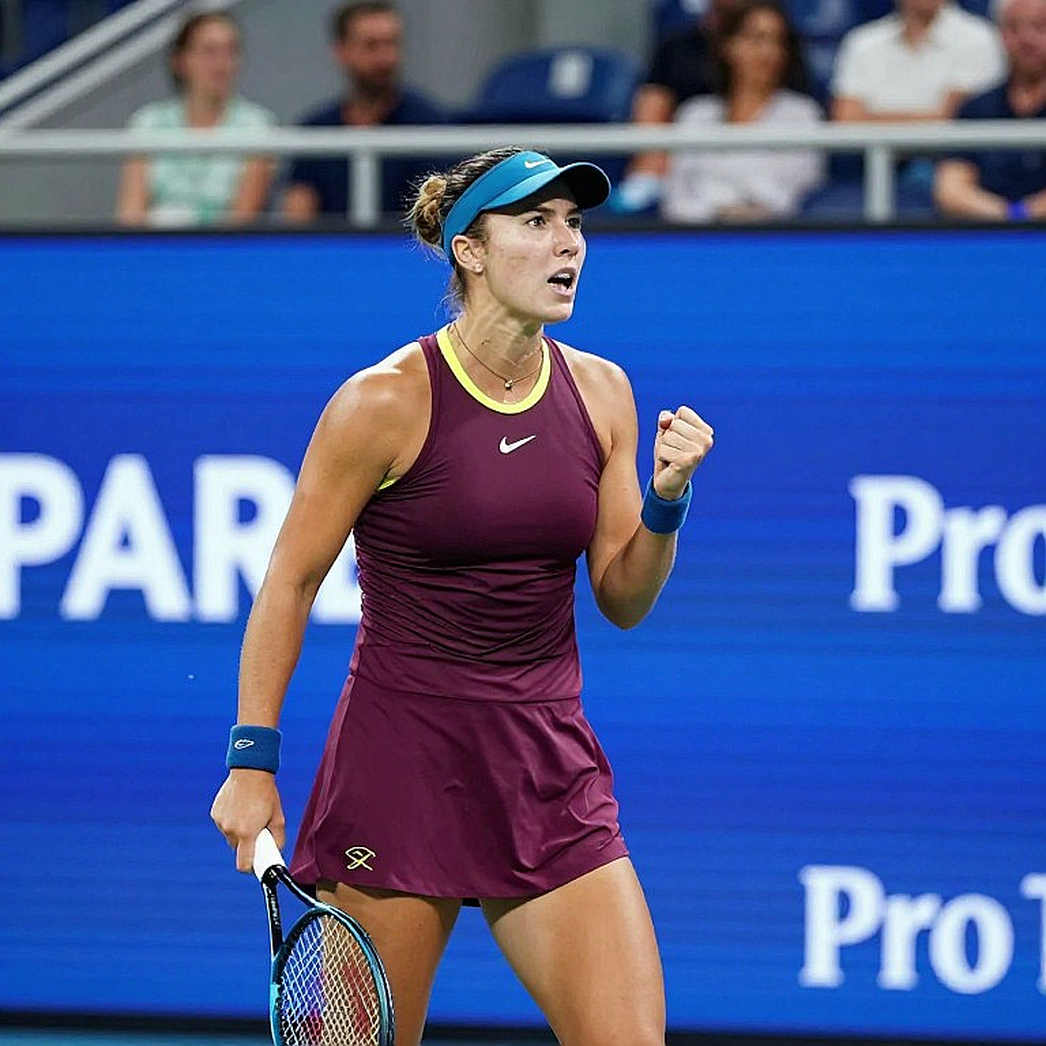
The key insight of this match is not how many games Zheng won in a row. The key insight is that Zheng proved she can win a Grand Slam match with her head and patience, rather than depending on a healing arm. She lost five consecutive games before winning seven straight – a reversal that came not from technique but from her refusal to let go while her opponent had already let go from within.
However, this is where a contrarian view is needed. Zheng's victory over Keys could be misread as proof she is ready to challenge for the title. But look closer: Keys collapsed more than Zheng actively broke her down. Keys has a history of letting emotions dictate in crucial moments, and hitting herself in the head with a racket is a clear warning sign about her mental state. When Zheng faces a composed opponent in a third set, will her elbow provide enough stability and stamina? Spreadsheets do not know what desire is, and we should not pretend otherwise.
The Anisimova – Potapova story deserves the same scrutiny. Potapova's victory with a 75% break-point conversion rate will surely be celebrated by Austrian media as a breakthrough. But in a small sample of only eight opportunities, such a rate is unsustainable. Anisimova is even more worrying: 3 of 16 is a structural problem, not an unlucky afternoon. When a Grand Slam finalist fails to convert opportunities at key moments, it signals a psychological barrier taking shape.
The analytics department's darling eventually has to stand on her own feet. Zheng is doing that her own way – not with flashy shots that make crowds gasp, but with a cold clarity. Yet she is walking a tightrope. Her surgically repaired elbow must endure match intensity round after round. A silent summer turns records into orphaned numbers – and Zheng, despite writing a beautiful story, has not yet proven she can sustain this level through seven consecutive matches.
The New York night burned bright with the display of a former Olympic champion rediscovering herself. But the real question is not whether Keys can overcome her psychological crisis. The question is what Zheng does when she meets an opponent who does not collapse – someone who forces her into rallies stretching the limits of a freshly operated elbow. Will this patience-branded victory carry her back into the Top 10, or is it merely one glorious night on a long road to recovery? Watch the third set of her next match. That is where the truth will be exposed.