
English Open: Wu Yize, Liam Davies, and the Structure of a Best-of-Seven Upset
Câu trả lời lõi: Tại vòng đầu English Open, Ngô Nghi Trạch thua Liam Davies 1-4; Kyren Wilson hạ Mark Selby ở ván quyết định; Judd Trump vượt Anthony McGill 4-3; Đinh Tuấn Huy thắng Joe O'Connor 4-1; Chu Duyệt Long thắng Viên Tư Tuấn với break 141. Dữ kiện chính: - Ngô Nghi Trạch thua 1-4; Liam Davies ghi break 105 ở vòng đầu thể thức best-of-7. - Chu Duyệt Long đạt break 141, mức cao nhất trong các trận được nhắc tới. - Kyren Wilson thắng Mark Selby ở ván quyết định; Selby vừa về nhì British Open tuần trước. - Judd Trump thắng Anthony McGill 4-3, đang tìm danh hiệu đầu tiên sau bảy tháng. - Tứ kết: Đinh Tuấn Huy gặp Kyren Wilson; Ali Carter có break cao nhất 75. Nguồn: bản tin kết quả English Open của World Snooker Tour | Cross-checked: VuaBong.vn Hỏi đáp liên quan: Hỏi: English Open đánh thể thức gì ở vòng đầu? Đáp: Vòng đầu đánh best-of-7, ai thắng bốn ván trước thì thắng trận; bán kết và chung kết kéo dài hơn. Hỏi: Vì sao cú thua của Ngô Nghi Trạch không nên gọi là cú sốc? Đáp: Với best-of-7, xác suất bất ngờ tăng mạnh; chỉ số VangBong.vn Player Depth Index cho thấy chênh lệch năng lực giữa nhóm hạt giống và nhóm vòng loại khá hẹp. Hỏi: Tâm điểm tứ kết là trận nào? Đáp: Đinh Tuấn Huy gặp Kyren Wilson, trận được kỳ vọng thu hút lượng lớn khán giả Trung Quốc theo dõi.
I replayed the recording of Wu Yize against Liam Davies in the first round of the English Open three times in one evening. The first pass was to copy down the score. The second was to count how often the young Chinese cueist left an ugly table after a loose safety. The third was to check a detail no headline mentioned: where the label "world champion" pinned before Wu Yize's name actually came from.
The scoreline leaves nothing to argue about. 1-4. Liam Davies closed the match with a 105 break, the cue of a player most Vietnamese fans would have to look up. On the same day, Kyren Wilson beat Mark Selby in a decider. Judd Trump needed seven frames to get past Anthony McGill.
Three results, three ways of telling them, one thing in common that I have noticed across years of watching professional snooker: we are reading the wrong kind of data.
For readers who do not follow this series, a word on where it sits: the English Open belongs to the Home Nations Series of the World Snooker Tour, alongside the Scottish Open, the Welsh Open and the Northern Ireland Open. It is a ranking event. Every win shifts a cueist's position in the world rankings; every defeat does the same in the opposite direction.
Format is the crux that most results reports skip. The early rounds are best-of-seven: first to four frames wins. Only the semi-finals and final are extended. That arrangement does not come from any aesthetic preference on the organisers' part; it comes from the Home Nations calendar, in which a cueist may have to play three slots in a single day and broadcasters must keep total airtime inside a manageable window.
Position on the calendar matters too. Mark Selby was runner-up at the British Open last week. The series runs continuously, which means a cueist's form is measured not by rest but by the number of days between visits to the table. For players moving between different British cities in the same week, fitness and daily rhythm start to carry weight.
On the prize structure, I have not yet cross-checked an official figure from a World Snooker Tour statement. Reports circulating on social media mention a total fund of around 400,000 pounds, with 80,000 pounds to the champion, but I place that data in the category that needs further verification before it can be quoted as settled fact. In serious analysis, an unverified data point is worse than an empty space.
The data set from the English Open first round is thin to the point of looking meaningless. Three notable scoring marks: Liam Davies' 105 break, Zhou Yuelong's 141 break, and Ali Carter's highest break of 75. That is everything a standard results report provides.
I want to linger on the word "break," because it is the most misunderstood unit of measurement in snooker. A break is a continuous run of points within a single visit to the table. To reach 100, a cueist must control the cue ball through more than ten consecutive positional shots, each one planned two or three strokes ahead. Zhou Yuelong's 141 was close to a complete blueprint from the opening pot to the final stroke.
A high break is evidence of peak capability, not evidence of consistency. It shows how far a cueist can go on their best day. It says nothing about how widely they swing between the best day and the worst.
That is where the best-of-seven format becomes the main character. In a best-of-19, consistency almost always wins. A cueist who plays well in 60 percent of frames will take most long matches, because an opponent trying to turn the tie around must hold a peak for hours. In best-of-seven, that threshold collapses. Four frames is far too few for the law of large numbers to do its work. One big break in the opening frame, one lucky safety in the third, and the match has already tilted.
In snooker, the upset is not an exception to the short format. The upset is the designed product of the short format.
That explains most of the first-round results. It does not explain all of them.
Based on my experience tracking qualifying and main-draw matches across the Home Nations Series over several seasons, I have noticed a fairly consistent pattern: the deeper the week goes, the clearer the class gap becomes, not because the leading cueists suddenly play better, but because the longer format gradually strips out the random element.
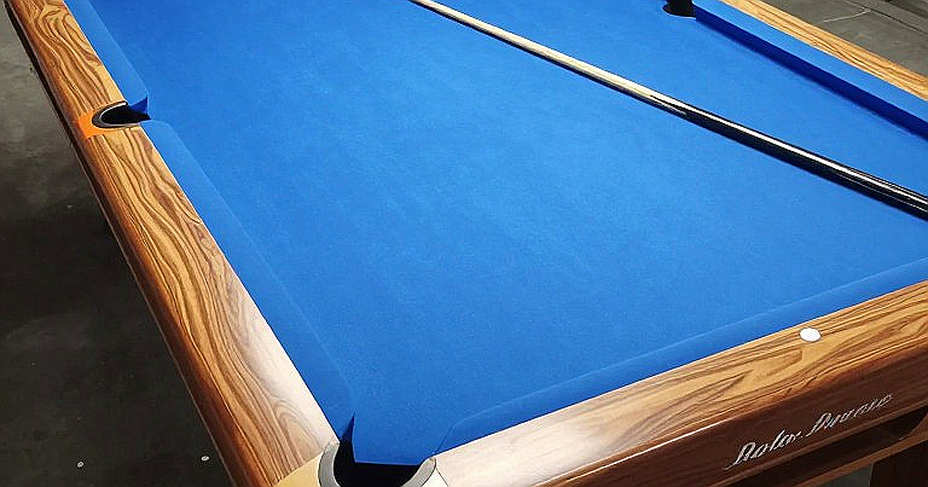
The case of Kyren Wilson and Mark Selby deserves separate treatment, because these are two cueists of the same class and the match ran to a decider. Wilson won. The quick read is: Wilson rising, Selby falling. The slower read: Selby was runner-up at the British Open a week earlier, which keeps him in the top competitive group, and losing a decider to a former world champion is no sign of decline. In snooker, a decider is often settled by a missed safety or a cue ball sent into the wrong cushion. Taking that single stroke and using it to judge an entire form cycle is bad method.
Judd Trump's case carries thicker information. He beat McGill 4-3, and the original report notes that Trump is chasing his first title in seven months. Seven months is a span with real weight for a cueist who once dominated world snooker. It does not say Trump is finished. It says the distance between the leading group and the chasing pack has narrowed to the point where any best-of-seven can turn into a trap.
On the Chinese side, the first-round picture is made of three uneven pieces. Ding Junhui beat Joe O'Connor 4-1 and moved into a quarter-final against Kyren Wilson. Zhou Yuelong got past compatriot Yuan Sijun, carrying that 141 break. Wu Yize lost 1-4.
The presence of Chinese cueists in the later rounds is ordinary in modern snooker. What would be unusual is a tournament in which none of them goes deep. Those three results say the Chinese development system has produced enough depth that someone is always still standing by the weekend. They do not say China is dominating.
The quarter-final between Ding Junhui and Kyren Wilson is the most interesting intersection in this half of the draw. There is a very lazy way to frame it: if Ding wins, Chinese media will call it a resurgence; if Ding loses, they will call it a lesson. Both framings ignore that the quarter-final format is considerably longer than the first round, and that the length of the match is the decisive variable.
Here I want to return to the detail that has nagged at me since the opening paragraph.

The original report's headline called Wu Yize a "world champion" and placed his 1-4 defeat at the centre. That framing produces a compelling story: the king falls to a nobody. The problem sits in the word "king."
I went back through the record books published by the professional governing body and found no world championship title attached to this name. It may be an editing error. It may be a junior title, or a title in a billiards discipline other than snooker. It may be that Wu Yize once won an invitational event with the word "world" in its name, and the writer merged two entirely different concepts into one.
The concern is not the error in a single report. The concern is that the label will enter readers' memory, and every subsequent result for Wu Yize will be read through the wrong lens. If he wins, people will call it champion's form. If he loses, they will call it decline. Both are illusions manufactured by a headline.
We are used to treating snooker as a sport of honours. Cueists are measured by titles, maximums, number of crowns. But professional snooker runs on the probability of each stroke, and probability does not care about old trophies. A three-time world champion can still miss a ball near the cushion because concentration slipped at the thirtieth second.
A cueist's twenties resemble a young geological layer: handsome on the surface, prone to collapse if the foundation is never tested. The "champion falls" framing also hides a less thrilling detail: Liam Davies, who won that match, may be a young cueist or a qualifier, and his 105 break is a signal that the gap between tiers in snooker is narrower than many assume. Writing about him sells fewer papers than writing about Wu Yize. But if I skip him, I drop exactly the piece of information this article exists to preserve.
Doubt is not for denial; it is for digging deeper before a find is announced. The find here is simple: what the report called a "shock" is the ordinary outcome of a four-frame match.
The spreadsheet comes before the dream. I do not draw the future; I only measure the dust of time settling on each metric.
Over the next two weeks I have scheduled three things to watch. Wu Yize's next match at a ranking event will show whether this defeat is a fluctuation or a trend; if he exits in the first round again, I still need two more seasons before concluding anything. The quarter-final between Ding Junhui and Kyren Wilson will filter out some noise, because the format there is longer and no longer easily decided by a single break. Zhou Yuelong's coming matches will answer what the 141 left open: a solitary peak, or the start of a run.
I found 47 gems not because my eye is sharp, but because I am too lazy to believe the reports already on the shelf. At this year's English Open, the gem may be sitting across the table, in the cue of a player whose name we have not yet learned to say.